
Monday - Friday 9:00am - 5:00pm
Saturday & Sunday - Contact Us
469-493-6089
SELECT

Chlamydia:
Chlamydia is the most commonly reported STD in the United States. It is spread mostly through vaginal or anal sex, but can also be transmitted through oral sex. Symptoms may include an unusual discharge from the vagina or penis, as well as pain or burning during urination. However, many individuals infected with chlamydia do not exhibit symptoms.
As the most common sexually transmitted infection (STI) caused by bacteria, it can be transmitted through vaginal, anal, or oral sex without a condom with an infected partner. Remember, Chlamydia often does not show symptoms, leading to many cases going undiagnosed and untreated. Regular screenings and testing are crucial to prevent its spread and avoid serious complications such as damage to the reproductive organs.
Signs and Symptoms of Chlamydia
-
In Women:
Symptoms may include abnormal vaginal discharge and a burning sensation when urinating.
-
In Men:
Symptoms may include penile discharge, burning sensation when urinating, and in some cases, pain and swelling in the testicles.
-
Rectal Infections:
Both men and women can get chlamydia in their rectum, leading to symptoms like rectal pain, discharge, and bleeding.
Risk Factors for Chlamydia:
-
Sexually active individuals are at risk of contracting chlamydia through unprotected sexual contact with an infected partner.
-
Having an honest discussion with healthcare providers about testing for STIs is essential for those who are sexually active.
How Chlamydia Spread:
-
Chlamydia spreads through vaginal, anal, or oral sex without protection with an infected individual.
-
Pregnant individuals with chlamydia can pass the infection to their newborn during childbirth.
Prevention of Chlamydia:
-
Abstaining from sexual activity is the only sure way to avoid STIs like chlamydia.
-
Using condoms correctly every time during sexual intercourse can reduce the risk of chlamydia transmission.
testing and diagnosis of Chlamydia
Regular testing for chlamydia is recommended for sexually active individuals to detect
infections early and prevent complications.

Top 3 Authoritative Sources Used
- 1. Centers for Disease Control and Prevention (CDC)
- 2. Cleveland Clinic
- 3. World Health Organization (WHO)
Trichomoniasis:
Trichomoniasis, also known as trich, is a common sexually transmitted disease caused by a parasite called Trichomonas vaginalis. It can affect anyone who is sexually active. While it often does not show symptoms, if left untreated, it can increase the risk of acquiring or transmitting other sexually transmitted diseases, including HIV.
Trichomoniasis symptoms
-
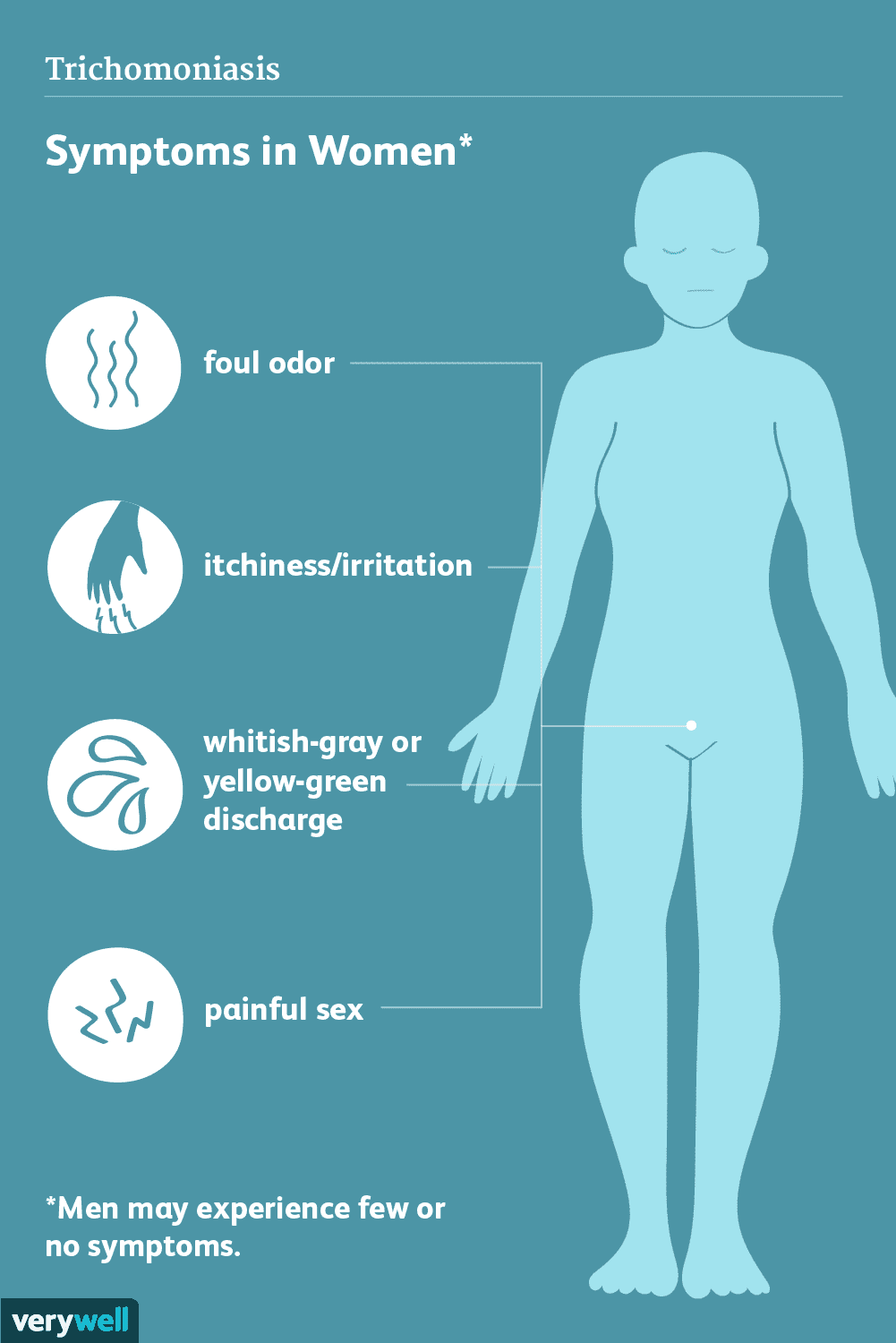
For Women:
- Foul-smelling vaginal discharge
- Genital itching, burning, redness, or soreness
- Painful urination or during intercourse
- Increased frequency of urination
- Bleeding after intercourse
-
For Men:
- Itching or irritation inside the penis
- Thin white discharge from the penis
- Painful urination or during intercourse
- Increased frequency of urination
Trichomoniasis Diagnosis
The diagnosis of trichomoniasis involves various methods:
- Physical examination to check for signs like redness on the cervix.
- Laboratory tests such as microscopic examination of urine or genital fluid samples and
culture tests to grow and identify the parasite. - Nucleic acid amplification tests (NAATs) for sensitive detection of the parasite.
- Home testing kits available in some regions for self-collection and laboratory analysis.
Top 3 Authoritative Sources Used
- 1. Centers for Disease Control and Prevention (CDC)
- 2. Mayo Clinic
- 3. Office on Women's Health
Gonorrhea:
Gonorrhea, also known as “the clap,” is a common sexually transmitted infection (STI) caused by the bacterium Neisseria gonorrhoeae. It is primarily spread through sexual contact involving vaginal fluids, semen, anal sex, or oral sex with an infected individual. Gonorrhea often does not present symptoms, especially in individuals assigned female at birth, making it easy to unknowingly transmit the infection to sexual partners. Prompt diagnosis and treatment with antibiotics are crucial in preventing long-term complications associated with gonorrhea. Sexually active individuals of any age or gender can contract and transmit gonorrhea, with the risk of infection being higher for those engaging in unprotected sexual activities. The infection can also be passed from an infected mother to her baby during childbirth.
Signs and Symptoms of Chlamydia:
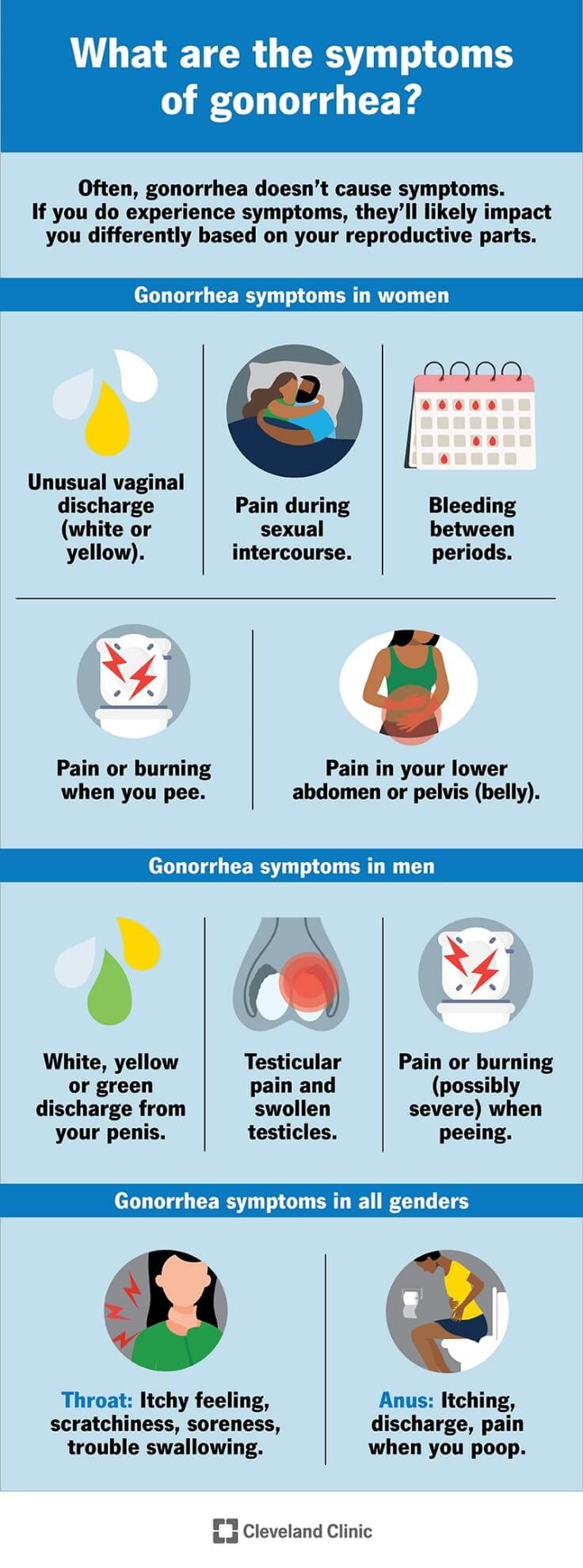
- People assigned female at birth: Symptoms are often absent but may include abnormal vaginal discharge, pelvic pain, and painful urination.
- People assigned male at birth: Symptoms are more common and may include penile discharge, painful urination, and testicular pain.
Gonorrhea can also affect other parts of the body such as the throat or rectum due to oral or anal sexual contact. Infections in these areas may manifest as sore throat, swollen lymph nodes, or rectal discomfort.
To diagnose gonorrhea accurately, specific microbiologic testing should be performed for individuals suspected of having the infection. Various diagnostic methods such as culture, nucleic acid amplification tests (NAATs), and point-of-care NAATs are available to detect N. gonorrhea in different anatomical sites. Culture remains a standard method for detecting gonococcal infections but may require specific specimen collection techniques.
Antimicrobial resistance poses a significant challenge in treating gonorrhea infections.
Monitoring trends in antimicrobial susceptibilities through surveillance programs like the
Gonococcal Isolate Surveillance Project (GISP) is essential for guiding treatment decisions and
combating resistance.Top
Top 3 Authoritative Sources Used
- 1. Centers for Disease Control and Prevention (CDC)
- 2. Cleverland Clinic
- 3. 3. Gonococcal Isolate Surveillance Project (GISP)
syphilis:
What are the stages of syphilis and their symptoms?
-
Primary Syphilis:
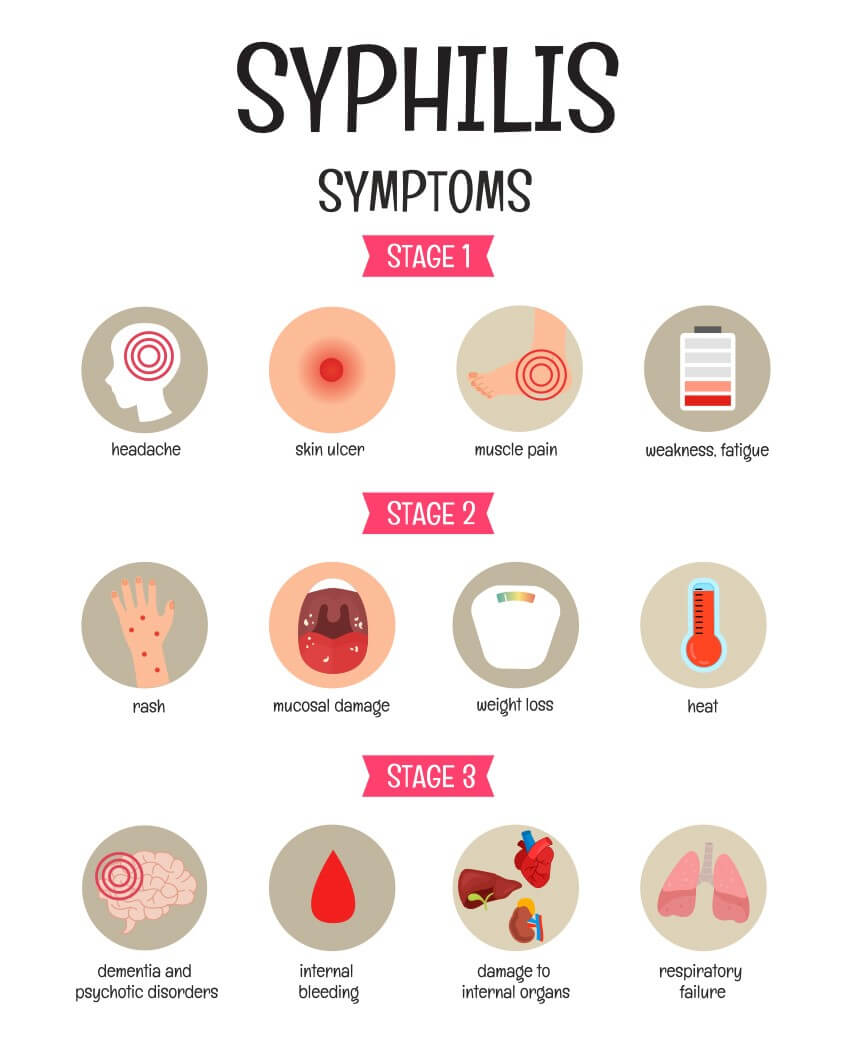
In the first stage of syphilis, which occurs two to 12 weeks after exposure to the infection, a painless sore called a chancre develops on the genitals or mouth. This sore is usually small and smooth, often going unnoticed. It eventually heals on its own within a few weeks or months. However, without treatment, the infection progresses to the next stage.
-
Secondary Syphilis:
Following the primary stage, about one to six months later, secondary syphilis manifests with symptoms such as a rough, bumpy rash that can cover the entire body, including the palms and soles of the feet. Other symptoms may include flu-like signs such as fatigue, fever, sore throat, and muscle aches. These symptoms can come and go for months or years if left untreated.
-
Latent Syphilis:
If untreated during the primary and secondary stages, syphilis enters the latent stage where there are no outward signs or symptoms. Some individuals may experience occasional mild flare-ups during this phase. Latent syphilis can last up to 20 years and can lead to damage in various organs like the heart, bones, nerves, and other vital systems.
-
Late (Tertiary) Syphilis:
In about 20% of cases where syphilis progresses beyond latency, late- stage syphilis emerges with severe health complications. These problems develop slowly over time and can affect multiple organs including causing cardiovascular diseases and neurological issues.
It’s crucial to note that throughout these stages of syphilis progression, individuals remain infectious and can transmit the infection through sexual contact. Therefore, timely diagnosis and treatment are essential to prevent further health complications and transmission of the disease.
Top 3 Authoritative Sources Used
- 1. Centers for Disease Control and Prevention (CDC)
- 2. World Health Organization (WHO)
- 3. Cleveland Clinic